on
Cheap Hotels
- Get link
- X
- Other Apps
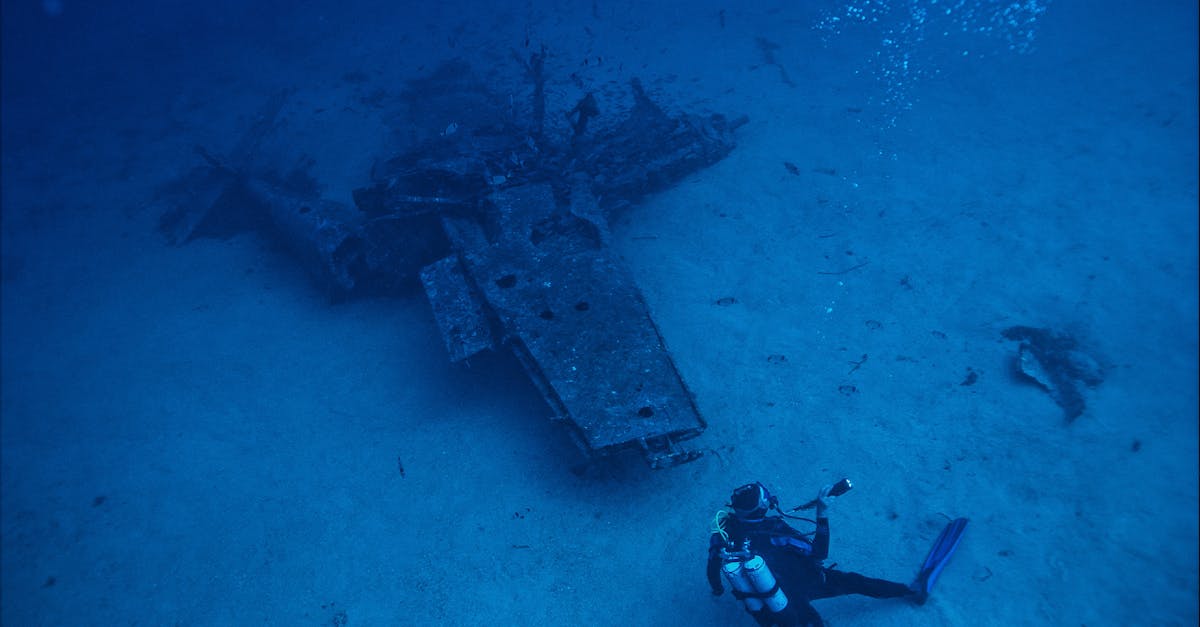
Beneath the surface of the world's oceans, lakes, and rivers lie tales of maritime history that time has nearly forgotten. These ghost ships, once vessels of mighty voyages and tragic endings, now rest silently in the depths, offering a unique window into the past for those who dare to explore them. Scuba divers, in particular, are drawn to these underwater graveyards, not just for the thrill of discovery, but also for the eerie beauty and quiet stories that these ghost ships preserve beneath the waves. Their allure is not just in their stories, but also in the rich ecosystems they support, making them fascinating sites for both historical and environmental exploration.
In this article, we will dive into the depths to discover 8 fascinating ghost shipwrecks for scuba divers, ranging from war-sunk vessels to accidental sinkings that have become reefs teeming with marine life. Each shipwreck has its own story, from the SS Thistlegorm, sunk during World War II, to the USS Oriskany, now serving as an artificial reef. We'll also explore the USAT Liberty, Fujikawa Maru, SS President Coolidge, USS Kittiwake, Bianca C, and Yongala, revealing the history and treasures each one holds. These sites not only offer a glimpse into the past but also challenge and excite the adventurous spirit of divers around the world.

The SS Thistlegorm, a British cargo steamship, was built in 1940 in Sunderland, North East England. During World War II, it was sunk by German bomber aircraft in the Red Sea in 1941. This ship, intended for wartime use, was transporting military vehicles and supplies to allied forces and was equipped with heavy guns for defense. Tragically, it met its fate when bombed during a German airstrike, sinking in less than ten minutes. The wreck was rediscovered by Jacques Cousteau in the early 1950s with the help of local fishermen and has since become a renowned dive site .
Diving at the SS Thistlegorm offers a unique opportunity to explore a piece of World War II history submerged in the Red Sea. The wreck lies at a depth of approximately 30 meters, making it accessible for advanced divers. The dive typically requires at least two dives to fully appreciate the massive size and the extensive cargo that includes motorcycles, trucks, and armored vehicles. The clear waters and the structure of the wreck allow for excellent visibility, providing a detailed view of the wartime cargo and the ship's structure, including its well-preserved propeller and guns .
The SS Thistlegorm wreck has evolved into a vibrant artificial reef, attracting a diverse range of marine life. Divers can expect to see a variety of species including giant moray eels, batfish, and the iconic Red Sea clownfish. The wreck's structure provides numerous shelters and breeding grounds for these species, contributing to the biodiversity of the area. This transformation into a marine habitat not only makes the SS Thistlegorm a historical dive but also an ecological one, offering insights into the interaction between historical wrecks and marine ecosystems .

The USS Oriskany, often referred to as the "Mighty O," is a distinguished Essex-class aircraft carrier with a storied past. Originally launched shortly after World War II on October 13, 1945, this massive ship stretches 911 feet in length and was capable of holding up to 80 aircraft. Throughout its service, the Oriskany was active primarily in the Pacific, playing significant roles in both the Korean and Vietnam Wars, where it earned a total of seven battle stars. Decommissioned in 1976, the Oriskany embarked on a new journey as the largest vessel ever intentionally sunk to create an artificial reef, earning the nickname "Great Carrier Reef" .
In 2006, the USS Oriskany found its final resting place 22 miles off the coast of Pensacola, Florida. Sunk in a collaborative effort involving various organizations, including the U.S. Navy and Florida Fish and Wildlife Conservation Commission, the ship now lies at a depth of 212 feet. The top of the Oriskany’s island, accessible to recreational divers, starts at about 80 feet deep, while the flight deck sits deeper at 145 feet. Due to the ship's depth and potential currents, diving the Oriskany is recommended for those with appropriate training and experience. The site's complexity and size require careful planning and respect for safety protocols to ensure a rewarding dive experience .
Since its transformation into an artificial reef, the USS Oriskany has become a thriving marine habitat. The structure supports a diverse array of marine life, attracting everything from small tropical fish to large pelagic species. Divers might spot whale sharks, manta rays, and various species of sharks cruising around the towering structure of the carrier. This rich biodiversity not only makes the Oriskany a fascinating dive site but also serves as a critical habitat that contributes to the health of the surrounding marine environment .

The USAT Liberty, originally a United States Army cargo ship built in 1918, served during both World Wars. In January 1942, while en route from Australia to the Philippines, it was struck by a torpedo from Japanese submarine I-166 in the Lombok Strait. Severely damaged, the ship was towed to Bali and beached at Tulamben to salvage its cargo. However, the 1963 eruption of Mount Agung caused severe tremors that pushed the Liberty off the beach and underwater, where it broke into pieces and eventually settled on its side .
Diving the USAT Liberty is a unique experience due to its accessibility and historical significance. The wreck lies just 25 meters off Tulamben's rocky shore, with its shallowest point at only 3 meters below the surface and the deepest at about 30 meters. This range makes the Liberty suitable for divers of all skill levels, from beginners to advanced. The structure's transformation into an artificial reef over the decades has made it a popular site, not just for its historical value but also for its easy beach entry and the opportunity for both day and night dives .
The USAT Liberty now thrives as an underwater ecosystem, teeming with a diverse array of marine life. Covered in vibrant corals, gorgonian fans, and anemones, it provides a habitat for species such as the bigeye trevally, sweetlips, angelfish, and the iconic bumphead parrotfish. Divers might also encounter napoleon wrasses, great barracudas, and various species of turtles. The wreck's nooks and crannies serve as shelters and breeding grounds, making it a bustling hub for underwater photography and biodiversity observation .

The Fujikawa Maru, originally a cargo and passenger ship, was requisitioned by the Imperial Japanese Navy in 1940 to serve as an aircraft transport during World War II. This vessel met its fate in Chuuk Lagoon during Operation Hailstone in February 1944, when it was sunk by American forces. The ship now rests upright on the ocean floor, its eerie presence a silent testament to its storied past .
Diving the Fujikawa Maru is accessible to divers with an Open Water certification, but those wishing to explore its deeper recesses or penetrate the wreck should have Advanced Open Water certification. The wreck starts at a depth of about 15 feet, descending to about 110 feet, offering divers a chance to explore everything from the massive bow gun to the engine room filled with historical artifacts. The visibility around the wreck is usually good, around 75 feet, allowing divers to fully appreciate the vibrant corals and marine life that have enveloped the ship .
The transformation of the Fujikawa Maru into an artificial reef has created a thriving ecosystem. Divers can expect to encounter a variety of marine life including large schools of jacks and barracuda, curious grey reef sharks, and colorful schools of smaller fish. The wreck itself is adorned with a stunning array of soft corals, sponges, and sea life, making it not only a dive into history but also a vibrant underwater habitat .

The SS President Coolidge, initially a luxury passenger liner, was transformed into a troop carrier during WWII. It met its fate when it struck a mine while entering the Segond Channel and sank near Vanuatu. The vessel was massive, nearly 200 meters long and 25 meters wide, and it now lies with its deck plates vertical due to its capsizing and subsequent slide down the slope .
Diving the SS President Coolidge is a unique experience, accessible from the shore. The wreck starts at a depth of 21 meters at the bow and extends down to 70 meters at the stern. It offers a variety of dive experiences, from light penetration in cargo holds to exploring deeper sections for experienced divers. The site is known for its historical artifacts, including military supplies and personal belongings left by the soldiers .
The wreck of the SS President Coolidge has become a sanctuary for diverse marine life. While the site is not teeming with fish, divers can spot species such as lionfish, scorpion fish, and nudibranchs. The surrounding coral formations and occasional sightings of larger marine animals like dugongs and turtles enhance the diving experience, making it a memorable visit for those interested in both history and marine biology .

The USS Kittiwake, a Chanticleer-class submarine rescue ship, was launched on May 13, 1945, at Savannah Machine & Foundry Co., Georgia, and commissioned on July 18, 1946 . Throughout its service, the Kittiwake was integral in numerous rescue and recovery operations, including the notable recovery of a torpedo from the USS Sea Owl in 1948 , and assisting in the salvage operations for the USS Missouri in 1950 . The ship was decommissioned and struck from the Naval Vessel Register on September 30, 1994, and later sunk off Seven Mile Beach, Grand Cayman on January 5, 2011, to create an artificial reef .
Now resting in clear Caribbean waters, the USS Kittiwake has become one of the most popular dive sites in Grand Cayman. The ship lies at a maximum depth of 65 feet with the top of the wreck about 15 feet below the surface, making it accessible to divers of all skill levels . The wreck was prepared for divers by removing all hazardous materials and creating safe passages through large cut holes in its hull .
Since being submerged, the Kittiwake has evolved into a thriving marine ecosystem. The structure now supports a vibrant array of marine life, including tropical fish, sea turtles, and eagle rays. Divers can explore five decks of this artificial reef, observing the diverse fauna and the coral that has begun to cover the ship . The surrounding sandy areas are home to garden eels and occasionally stingrays, adding to the site's biodiversity and appeal for underwater photography and marine observation .

The Bianca C, a 12,000-ton Italian cruise ship, met its tragic fate on October 22, 1961, when a fire erupted onboard while anchored near Grenada. Despite efforts to beach the vessel to save passengers, the ship ultimately sank in 165 feet of water, claiming 17 lives. This event marked the Bianca C as one of the Caribbean's most intriguing dive sites, lying on its side in the clear, warm waters off the coast of Grenada .
Diving into the Bianca C offers an extraordinary journey through a massive underwater structure. The wreck, split into distinct sections, provides a haunting exploration experience. The stern, twisted and separated by the explosion, lies on its starboard side, while the bow stands upright, creating a striking underwater silhouette. Divers can navigate through the ship's massive 600-foot length, encountering open hatches and collapsed decks that tell the story of its dramatic sinking .
As an artificial reef, the Bianca C teems with vibrant marine life. Divers can expect to encounter schools of tropical fish, sea turtles, and occasionally, sharks that make their home among the ship's encrusted surfaces. The wreck's complex structure offers an array of habitats, supporting a diverse ecosystem that includes black coral and various sponges, making it not only a site of historical interest but also a thriving marine habitat .

The SS Yongala, a passenger steamship that sank over a century ago during a cyclone off the coast of Queensland, remains one of Australia's most poignant maritime mysteries. Built in England in 1903 for the Adelaide Steamship Company, the Yongala met its tragic end on March 23, 1911, with all 122 passengers and crew lost to the sea. The wreck, discovered in 1958, lies in the central section of the Great Barrier Reef Marine Park and has since become a protected site under the Commonwealth Underwater Cultural Heritage Act 2018 .
Diving the Yongala offers an unparalleled underwater adventure. The wreck starts 15 meters below the surface and extends down to 30 meters, making it an advanced dive site due to the strong currents and its remote location. Divers are attracted not only by the historical allure but also by the chance to explore the intact structure teeming with marine life. It's important to note that due to its status as a grave site and the potential for structural damage, entering the wreck is strictly prohibited .
The Yongala is a thriving marine habitat, home to an incredible array of marine life. The wreck's isolated location contributes to its role as a significant ecological outpost in the region, attracting large pelagics and a variety of fish species. Divers can expect to see giant Queensland Grouper, Maori Wrasse, and schools of barracuda, alongside reef sharks and occasional sightings of manta rays and bull rays. During the cooler months, the migration of Minke whales adds to the site's allure. The biodiversity here is not only a draw for divers but also a critical area for marine research and conservation .
Through our underwater journey, we've explored the silent, haunting beauty of eight ghost shipwrecks from around the world, each with its unique narrative and marine ecosystem. From the war-torn depths of the SS Thistlegorm and the historic finality of the USS Oriskany, to the tragedy of the Bianca C and the ecological haven of the Yongala, these sites offer scuba divers unparalleled windows into the past. Their stories, embedded in the deep, serve as vivid reminders of human history's complexities and the sea's power to reclaim and transform.
The allure of these ghost shipwrecks goes beyond the thrill of exploration; it offers insights into our collective heritage and the ever-evolving relationship between man, technology, and nature. As we've seen, these underwater sites also act as crucial habitats, supporting diverse marine life and contributing significantly to their surrounding ecosystems. For adventurous spirits and history enthusiasts alike, diving into these watery depths not only satisfies the quest for discovery but also underscores the importance of preserving our world's underwater cultural heritage and natural biodiversity for future generations.
1. What are some of the best shipwreck dives around the globe?
The world's top wreck dives include the SS Thistlegorm in the Red Sea, Egypt; San Francisco Maru and Fujikawa Maru in Chuuk Lagoon, Micronesia; Hilma Hooker in Bonaire; USS Liberty in Bali, Indonesia; SS Yongala in Australia; Bianca C in Grenada, Caribbean; and the Iro Maru in Palau.
2. Which shipwreck is considered the most eerie?
Among the creepiest shipwreck mysteries are the Patriot, SS Mohegan, SS Kamloops, Carroll A. Deering, SS Andrea Doria, MV Salem Express, the Antikythera Wreck, and the SS Baychimo, which became trapped in ice near Canada in October 1931.
3. Which shipwreck has been largely forgotten?
The SS Waratah, which disappeared on 27 July 1909 along with its 211 crew and passengers, is considered one of the most forgotten shipwrecks. Its wreckage has never been found.
4. Is there a shipwreck that lies deeper than the Titanic?
Yes, the USS Samuel B. Roberts, a United States Navy destroyer escort that sank during World War II in 1944, is known as the deepest wreck ever identified, surpassing the depth at which the Titanic rests.
Beneath the surface of the world's oceans, lakes, and rivers lie tales of maritime history that time has nearly forgotten. These ghost ships, once vessels of mighty voyages and tragic endings, now rest silently in the depths, offering a unique window into the past for those who dare to explore them. Scuba divers, in particular, are drawn to these underwater graveyards, not just for the thrill of discovery, but also for the eerie beauty and quiet stories that these ghost ships preserve beneath the waves. Their allure is not just in their stories, but also in the rich ecosystems they support, making them fascinating sites for both historical and environmental exploration.
In this article, we will dive into the depths to discover 8 fascinating ghost shipwrecks for scuba divers, ranging from war-sunk vessels to accidental sinkings that have become reefs teeming with marine life. Each shipwreck has its own story, from the SS Thistlegorm, sunk during World War II, to the USS Oriskany, now serving as an artificial reef. We'll also explore the USAT Liberty, Fujikawa Maru, SS President Coolidge, USS Kittiwake, Bianca C, and Yongala, revealing the history and treasures each one holds. These sites not only offer a glimpse into the past but also challenge and excite the adventurous spirit of divers around the world.
The SS Thistlegorm, a British cargo steamship, was built in 1940 in Sunderland, North East England. During World War II, it was sunk by German bomber aircraft in the Red Sea in 1941. This ship, intended for wartime use, was transporting military vehicles and supplies to allied forces and was equipped with heavy guns for defense. Tragically, it met its fate when bombed during a German airstrike, sinking in less than ten minutes. The wreck was rediscovered by Jacques Cousteau in the early 1950s with the help of local fishermen and has since become a renowned dive site .
Diving at the SS Thistlegorm offers a unique opportunity to explore a piece of World War II history submerged in the Red Sea. The wreck lies at a depth of approximately 30 meters, making it accessible for advanced divers. The dive typically requires at least two dives to fully appreciate the massive size and the extensive cargo that includes motorcycles, trucks, and armored vehicles. The clear waters and the structure of the wreck allow for excellent visibility, providing a detailed view of the wartime cargo and the ship's structure, including its well-preserved propeller and guns .
The SS Thistlegorm wreck has evolved into a vibrant artificial reef, attracting a diverse range of marine life. Divers can expect to see a variety of species including giant moray eels, batfish, and the iconic Red Sea clownfish. The wreck's structure provides numerous shelters and breeding grounds for these species, contributing to the biodiversity of the area. This transformation into a marine habitat not only makes the SS Thistlegorm a historical dive but also an ecological one, offering insights into the interaction between historical wrecks and marine ecosystems .
The USS Oriskany, often referred to as the "Mighty O," is a distinguished Essex-class aircraft carrier with a storied past. Originally launched shortly after World War II on October 13, 1945, this massive ship stretches 911 feet in length and was capable of holding up to 80 aircraft. Throughout its service, the Oriskany was active primarily in the Pacific, playing significant roles in both the Korean and Vietnam Wars, where it earned a total of seven battle stars. Decommissioned in 1976, the Oriskany embarked on a new journey as the largest vessel ever intentionally sunk to create an artificial reef, earning the nickname "Great Carrier Reef" .
In 2006, the USS Oriskany found its final resting place 22 miles off the coast of Pensacola, Florida. Sunk in a collaborative effort involving various organizations, including the U.S. Navy and Florida Fish and Wildlife Conservation Commission, the ship now lies at a depth of 212 feet. The top of the Oriskany’s island, accessible to recreational divers, starts at about 80 feet deep, while the flight deck sits deeper at 145 feet. Due to the ship's depth and potential currents, diving the Oriskany is recommended for those with appropriate training and experience. The site's complexity and size require careful planning and respect for safety protocols to ensure a rewarding dive experience .
Since its transformation into an artificial reef, the USS Oriskany has become a thriving marine habitat. The structure supports a diverse array of marine life, attracting everything from small tropical fish to large pelagic species. Divers might spot whale sharks, manta rays, and various species of sharks cruising around the towering structure of the carrier. This rich biodiversity not only makes the Oriskany a fascinating dive site but also serves as a critical habitat that contributes to the health of the surrounding marine environment .
The USAT Liberty, originally a United States Army cargo ship built in 1918, served during both World Wars. In January 1942, while en route from Australia to the Philippines, it was struck by a torpedo from Japanese submarine I-166 in the Lombok Strait. Severely damaged, the ship was towed to Bali and beached at Tulamben to salvage its cargo. However, the 1963 eruption of Mount Agung caused severe tremors that pushed the Liberty off the beach and underwater, where it broke into pieces and eventually settled on its side .
Diving the USAT Liberty is a unique experience due to its accessibility and historical significance. The wreck lies just 25 meters off Tulamben's rocky shore, with its shallowest point at only 3 meters below the surface and the deepest at about 30 meters. This range makes the Liberty suitable for divers of all skill levels, from beginners to advanced. The structure's transformation into an artificial reef over the decades has made it a popular site, not just for its historical value but also for its easy beach entry and the opportunity for both day and night dives .
The USAT Liberty now thrives as an underwater ecosystem, teeming with a diverse array of marine life. Covered in vibrant corals, gorgonian fans, and anemones, it provides a habitat for species such as the bigeye trevally, sweetlips, angelfish, and the iconic bumphead parrotfish. Divers might also encounter napoleon wrasses, great barracudas, and various species of turtles. The wreck's nooks and crannies serve as shelters and breeding grounds, making it a bustling hub for underwater photography and biodiversity observation .
The Fujikawa Maru, originally a cargo and passenger ship, was requisitioned by the Imperial Japanese Navy in 1940 to serve as an aircraft transport during World War II. This vessel met its fate in Chuuk Lagoon during Operation Hailstone in February 1944, when it was sunk by American forces. The ship now rests upright on the ocean floor, its eerie presence a silent testament to its storied past .
Diving the Fujikawa Maru is accessible to divers with an Open Water certification, but those wishing to explore its deeper recesses or penetrate the wreck should have Advanced Open Water certification. The wreck starts at a depth of about 15 feet, descending to about 110 feet, offering divers a chance to explore everything from the massive bow gun to the engine room filled with historical artifacts. The visibility around the wreck is usually good, around 75 feet, allowing divers to fully appreciate the vibrant corals and marine life that have enveloped the ship .
The transformation of the Fujikawa Maru into an artificial reef has created a thriving ecosystem. Divers can expect to encounter a variety of marine life including large schools of jacks and barracuda, curious grey reef sharks, and colorful schools of smaller fish. The wreck itself is adorned with a stunning array of soft corals, sponges, and sea life, making it not only a dive into history but also a vibrant underwater habitat .
The SS President Coolidge, initially a luxury passenger liner, was transformed into a troop carrier during WWII. It met its fate when it struck a mine while entering the Segond Channel and sank near Vanuatu. The vessel was massive, nearly 200 meters long and 25 meters wide, and it now lies with its deck plates vertical due to its capsizing and subsequent slide down the slope .
Diving the SS President Coolidge is a unique experience, accessible from the shore. The wreck starts at a depth of 21 meters at the bow and extends down to 70 meters at the stern. It offers a variety of dive experiences, from light penetration in cargo holds to exploring deeper sections for experienced divers. The site is known for its historical artifacts, including military supplies and personal belongings left by the soldiers .
The wreck of the SS President Coolidge has become a sanctuary for diverse marine life. While the site is not teeming with fish, divers can spot species such as lionfish, scorpion fish, and nudibranchs. The surrounding coral formations and occasional sightings of larger marine animals like dugongs and turtles enhance the diving experience, making it a memorable visit for those interested in both history and marine biology .
The USS Kittiwake, a Chanticleer-class submarine rescue ship, was launched on May 13, 1945, at Savannah Machine & Foundry Co., Georgia, and commissioned on July 18, 1946 . Throughout its service, the Kittiwake was integral in numerous rescue and recovery operations, including the notable recovery of a torpedo from the USS Sea Owl in 1948 , and assisting in the salvage operations for the USS Missouri in 1950 . The ship was decommissioned and struck from the Naval Vessel Register on September 30, 1994, and later sunk off Seven Mile Beach, Grand Cayman on January 5, 2011, to create an artificial reef .
Now resting in clear Caribbean waters, the USS Kittiwake has become one of the most popular dive sites in Grand Cayman. The ship lies at a maximum depth of 65 feet with the top of the wreck about 15 feet below the surface, making it accessible to divers of all skill levels . The wreck was prepared for divers by removing all hazardous materials and creating safe passages through large cut holes in its hull .
Since being submerged, the Kittiwake has evolved into a thriving marine ecosystem. The structure now supports a vibrant array of marine life, including tropical fish, sea turtles, and eagle rays. Divers can explore five decks of this artificial reef, observing the diverse fauna and the coral that has begun to cover the ship . The surrounding sandy areas are home to garden eels and occasionally stingrays, adding to the site's biodiversity and appeal for underwater photography and marine observation .
The Bianca C, a 12,000-ton Italian cruise ship, met its tragic fate on October 22, 1961, when a fire erupted onboard while anchored near Grenada. Despite efforts to beach the vessel to save passengers, the ship ultimately sank in 165 feet of water, claiming 17 lives. This event marked the Bianca C as one of the Caribbean's most intriguing dive sites, lying on its side in the clear, warm waters off the coast of Grenada .
Diving into the Bianca C offers an extraordinary journey through a massive underwater structure. The wreck, split into distinct sections, provides a haunting exploration experience. The stern, twisted and separated by the explosion, lies on its starboard side, while the bow stands upright, creating a striking underwater silhouette. Divers can navigate through the ship's massive 600-foot length, encountering open hatches and collapsed decks that tell the story of its dramatic sinking .
As an artificial reef, the Bianca C teems with vibrant marine life. Divers can expect to encounter schools of tropical fish, sea turtles, and occasionally, sharks that make their home among the ship's encrusted surfaces. The wreck's complex structure offers an array of habitats, supporting a diverse ecosystem that includes black coral and various sponges, making it not only a site of historical interest but also a thriving marine habitat .
The SS Yongala, a passenger steamship that sank over a century ago during a cyclone off the coast of Queensland, remains one of Australia's most poignant maritime mysteries. Built in England in 1903 for the Adelaide Steamship Company, the Yongala met its tragic end on March 23, 1911, with all 122 passengers and crew lost to the sea. The wreck, discovered in 1958, lies in the central section of the Great Barrier Reef Marine Park and has since become a protected site under the Commonwealth Underwater Cultural Heritage Act 2018 .
Diving the Yongala offers an unparalleled underwater adventure. The wreck starts 15 meters below the surface and extends down to 30 meters, making it an advanced dive site due to the strong currents and its remote location. Divers are attracted not only by the historical allure but also by the chance to explore the intact structure teeming with marine life. It's important to note that due to its status as a grave site and the potential for structural damage, entering the wreck is strictly prohibited .
The Yongala is a thriving marine habitat, home to an incredible array of marine life. The wreck's isolated location contributes to its role as a significant ecological outpost in the region, attracting large pelagics and a variety of fish species. Divers can expect to see giant Queensland Grouper, Maori Wrasse, and schools of barracuda, alongside reef sharks and occasional sightings of manta rays and bull rays. During the cooler months, the migration of Minke whales adds to the site's allure. The biodiversity here is not only a draw for divers but also a critical area for marine research and conservation .
Through our underwater journey, we've explored the silent, haunting beauty of eight ghost shipwrecks from around the world, each with its unique narrative and marine ecosystem. From the war-torn depths of the SS Thistlegorm and the historic finality of the USS Oriskany, to the tragedy of the Bianca C and the ecological haven of the Yongala, these sites offer scuba divers unparalleled windows into the past. Their stories, embedded in the deep, serve as vivid reminders of human history's complexities and the sea's power to reclaim and transform.
The allure of these ghost shipwrecks goes beyond the thrill of exploration; it offers insights into our collective heritage and the ever-evolving relationship between man, technology, and nature. As we've seen, these underwater sites also act as crucial habitats, supporting diverse marine life and contributing significantly to their surrounding ecosystems. For adventurous spirits and history enthusiasts alike, diving into these watery depths not only satisfies the quest for discovery but also underscores the importance of preserving our world's underwater cultural heritage and natural biodiversity for future generations.
1. What are some of the best shipwreck dives around the globe?
The world's top wreck dives include the SS Thistlegorm in the Red Sea, Egypt; San Francisco Maru and Fujikawa Maru in Chuuk Lagoon, Micronesia; Hilma Hooker in Bonaire; USS Liberty in Bali, Indonesia; SS Yongala in Australia; Bianca C in Grenada, Caribbean; and the Iro Maru in Palau.
2. Which shipwreck is considered the most eerie?
Among the creepiest shipwreck mysteries are the Patriot, SS Mohegan, SS Kamloops, Carroll A. Deering, SS Andrea Doria, MV Salem Express, the Antikythera Wreck, and the SS Baychimo, which became trapped in ice near Canada in October 1931.
3. Which shipwreck has been largely forgotten?
The SS Waratah, which disappeared on 27 July 1909 along with its 211 crew and passengers, is considered one of the most forgotten shipwrecks. Its wreckage has never been found.
4. Is there a shipwreck that lies deeper than the Titanic?
Yes, the USS Samuel B. Roberts, a United States Navy destroyer escort that sank during World War II in 1944, is known as the deepest wreck ever identified, surpassing the depth at which the Titanic rests.
Comments
Post a Comment