on
Cheap Hotels
- Get link
- X
- Other Apps
Beneath the surface of our planet lies a hidden world of wonder and mystery, where the history of human civilization is etched into the very rock itself. These underground towns, ranging from ancient catacombs in Rome to the opal mining town of Coober Pedy in Australia, are fascinating relics of a life once lived beneath the earth's surface. They are not only a testament to human ingenuity and survival but also offer a glimpse into the diverse ways communities adapt to their environments. Exploring these subterranean cities can feel like stepping onto another planet, yet they are a crucial part of our world's cultural and historical tapestry.
In this article, you will embark on a journey through eight of the most compelling underground towns around the globe. From the rock-hewn churches of Lalibela in Ethiopia to the extensive network of tunnels in Derinkuyu, Turkey, each town has its own unique story of development and survival. You will visit the ancient city of Petra, explore the salt-infused chambers of the Wieliczka Salt Mine in Poland, and wander through the eerie passages of the Edinburgh Vaults. Not only will you discover the architectural marvels and the historical significance of these subterranean cities, but you'll also learn about the communities that thrived in these underground settings. This exploration will not just take you through the hidden depths of the earth but will also shine a light on the enduring spirit of humanity to adapt, survive, and thrive in the most unexpected places.

Discovered in the 1960s during a home renovation, Derinkuyu is an ancient, multi-level underground city in the Cappadocia region of Turkey. Historically, it dates back to the Byzantine era, with initial constructions believed to be around the 7th-8th century AD. This subterranean city served as a refuge during invasions and unrest, accommodating up to 20,000 people along with their livestock and essential supplies. The city's strategic depth of approximately 85 meters (280 feet) and its complex network of tunnels were crucial for defense and sustainability.
The architectural design of Derinkuyu is a testament to ancient ingenuity. The city comprises various levels, each designated for specific functions such as living quarters, religious spaces, and communal areas. Features include narrow passages that served as defensive mechanisms, forcing invaders to enter in single file, and large stone doors that could seal off passages or entire levels during attacks. The city also boasted an advanced ventilation system and a deep well system, ensuring a supply of fresh air and water, vital for prolonged periods underground.
Today, Derinkuyu is a significant archaeological site and a popular tourist destination. Visitors can explore several levels of this underground marvel, experiencing the living quarters, stables, churches, and schools firsthand. The site offers a glimpse into the past, showcasing how thousands of people could live, work, and survive in this extensive subterranean network. The city's layout, with its myriad of tunnels and rooms, provides a unique and educational experience, highlighting the resilience and adaptability of its ancient inhabitants.

Petra, a World Heritage Site and one of the seven wonders of the world, was the capital of the Nabataean Kingdom from around the 4th century BC to the 1st century AD . This ancient city was strategically placed, controlling the trade routes that connected China, India, and southern Arabia with the Mediterranean world . The Nabataeans, an Arab people, were not only skilled traders but also adept in hydraulic engineering, which supported Petra's growth as a bustling trade hub . The city's decline began in the 4th century AD when trade routes shifted and it was gradually abandoned .
The architecture of Petra is renowned for its intricacy and the blend of Eastern tradition with Hellenistic styles, which is evident in structures like the Treasury and the Monastery . These buildings are carved directly into the rose-colored sandstone, and their design reflects the technological prowess of the Nabataeans . Petra's urban design and water management systems are also highlights, showcasing advanced engineering that allowed extensive settlement in an arid area .
Visiting Petra offers a unique glimpse into the past, where you can explore the spectacular rock tombs and the ancient city's extensive layout . The site covers a vast area of 60 square kilometers, requiring plenty of walking to explore fully . Modern facilities have adapted to tourism, with accommodations ranging from tented camps to luxury resorts, ensuring a comfortable stay for all visitors . The best times to visit are during the spring and autumn months, when the weather is mild and conducive for exploring .

In the heart of Ethiopia, 645 km from Addis Ababa, lies Lalibela, a site of profound historical and religious significance. Established by King Lalibela in the 12th century, this town was intended to be a 'New Jerusalem', following the halting of Christian pilgrimages to the Holy Land due to Muslim conquests. The town gained prominence after the decline of the Aksum Empire, becoming a focal point for pilgrimage, especially for Coptic Christians since the 12th century.
The architecture of Lalibela is unlike any other, primarily due to its monolithic rock-hewn churches, which were carved from the living rock of monolithic blocks. This includes doors, windows, columns, and various floors, all crafted from a single piece of rock. The most notable is Biete Medhani Alem, the largest monolithic church in the world, and Biete Ghiorgis, known for its distinctive cruciform plan. The construction of these churches involves an intricate system of drainage ditches, trenches, and ceremonial passages, enhancing their architectural complexity and historical value.
Visiting Lalibela offers an immersive experience into a blend of spiritual devotion and architectural marvel. The churches, connected by a labyrinth of tunnels and passageways, provide a unique journey through history. Each church, square or rectangular in form, features basilical or cruciform plans with entrances on multiple sides. The interiors, decorated with mural paintings and supported by bracketed pillars, reflect the artistry and religious significance of the Ethiopian Orthodox Church. The site continues to attract thousands of pilgrims, especially during major feast days and Orthodox Christmas, making it a living museum of faith and history.

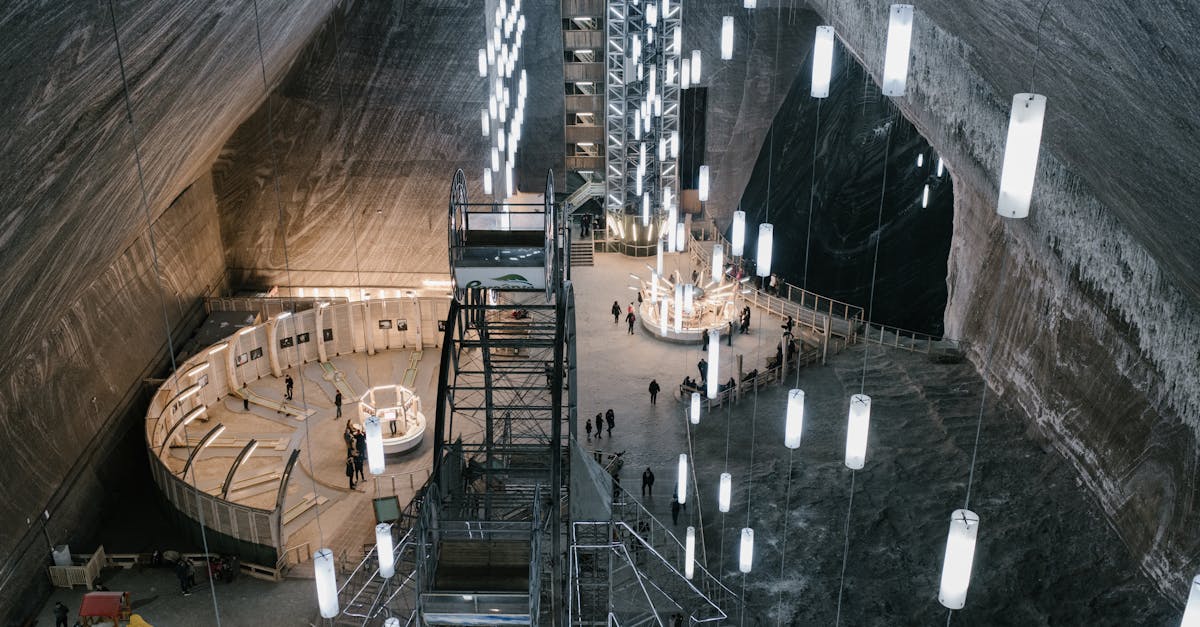
The Wieliczka Salt Mine, a historic site near Krakow, Poland, has been operational since the 13th century. It is renowned for its extensive mining history and was a vital source of table salt for Poland for centuries. Recognized as one of the world's oldest salt mines still in operation, it was designated a UNESCO World Heritage Site due to its historical importance and longevity . Archaeological findings indicate that salt production in the area dates back to Mid-Neolithic times, highlighting its long-standing significance in human civilization .
The architectural marvel of the Wieliczka Salt Mine is evident in its intricate network of tunnels, chambers, and chapels carved directly from rock salt. The mine features over 287 kilometers of galleries, adorned with dozens of statues and four chapels, showcasing the miners' artistry. Notably, the entire cathedral within the mine is also made of rock salt, presenting a unique blend of natural resource utilization and cultural expression . The mine's layout and structural design are a testament to the advanced engineering skills of the historical miners and their ability to adapt their work environment creatively .
Visiting the Wieliczka Salt Mine offers an immersive journey into the depths of geological and artistic wonders. The mine attracts over 1.2 million visitors each year, drawn to its historical statues, underground lakes, and the stunning Chapel of St. Kinga. The therapeutic microclimate within the mine is also reputed to aid in alleviating respiratory ailments, adding a health-oriented appeal to its historical and cultural significance . Guided tours allow visitors to explore the vast network of passages, experiencing firsthand the monumental efforts of generations of miners and the sublime artistry carved into the salt .

The Edinburgh Vaults, also known as the South Bridge Vaults, were constructed in the late 18th century beneath the city's South Bridge. Initially intended for storage and as accommodation for tradespeople, the vaults evolved into a hub for the city's poorest, including immigrants, criminals, and the homeless . By the 1980s, these vaults were rediscovered and have since become a significant tourist attraction, offering insights into the darker side of Edinburgh's past .
Built into the nineteen arches of South Bridge, the Edinburgh Vaults are a network of chambers that tell a story of 18th-century urban planning and social stratification. The bridge itself was a grand scheme to connect the Old Town with the New Town, maximizing space usage with shops on the upper levels and workshops and storage spaces in the vaults below. Over time, as the bridge's structural issues led to water leakage, these spaces deteriorated, becoming damp and airless, which eventually drove out the businesses and welcomed the destitute .
Today, visitors to the Edinburgh Vaults can explore this eerie underground city through guided tours that highlight both the historical and paranormal aspects of the site. The tours provide a chilling insight into the living conditions endured by the former residents and the vaults' reputation as one of the most haunted places in Britain. With stories of ghostly sightings and unexplained noises, these tours offer a unique and thrilling experience beneath the bustling streets of Edinburgh's Old Town .

The Pilsen Historical Underground, a vast network of tunnels and cellars beneath the Czech city of Pilsen, traces its origins back to the late 13th century. Initially constructed alongside the first townhouses with brewing rights, these subterranean spaces were crucial for storing food and brewing beer, a practice that contributed to Pilsen's renowned beer heritage. The underground system was expanded and deepened over centuries, with significant developments until the 18th century, serving multiple purposes including water storage and as a refuge during wars .
Architecturally, the Pilsen Underground showcases a range of styles from the functional medieval to the ornate Renaissance and Baroque periods. This network, which spans nearly 20 kilometers, includes up to three floors of interconnected cellars, featuring intricate systems of passageways, wells, and pits. The design reflects the ingenuity of its builders and the evolving use of space beneath the city's surface. Notably, the historical water tower from the 16th century, with its remnants of a 1847 pumping machine, highlights the technical prowess of the era .
Today, the Pilsen Historical Underground is open for tours, offering a unique glimpse into the city's past. Visitors are taken through a labyrinth of passageways where they can explore the cellars, wells, and brewing facilities that have been part of Pilsen's history for centuries. The tour also includes a visit to the preserved water tower, showcasing old water columns and a replica waterwheel. For a complete experience, visitors are advised to wear warm clothing due to the constant 12°C temperature underground and helmets for safety .

Orvieto, with its origins dating back to the 9th-century BC, was once a flourishing Etruscan city known as Velzna. Strategically positioned on a volcanic tuff, it became a military stronghold capable of resisting Roman sieges for extended periods. Despite its eventual fall to Rome in 264 BC, Orvieto's historical significance continued through the Middle Ages as it grew into a prosperous city . The underground city, a testament to Etruscan engineering, features over 1200 grottoes, tunnels, and wells, developed continuously over nearly three millennia .
The architectural marvel of Orvieto lies beneath its surface. The extensive network of tunnels and chambers, originally dug for water during Etruscan times, expanded significantly over the centuries. These include medieval olive presses and intricate systems for water storage and conveyance, showcasing the ingenuity of its inhabitants . Above ground, the city is dominated by the magnificent Orvieto Cathedral, a blend of Gothic and Romanesque styles, which began construction in 1290 and is renowned for its striking facade adorned with detailed mosaics and statues .
Exploring Orvieto offers a unique journey through its layered history. Visitors can delve into the underground city, where guided tours reveal the historical and cultural significance of the ancient structures and the resourcefulness of the Etruscan civilization. The above-ground city does not disappoint either, with its picturesque medieval streets and the awe-inspiring cathedral that stands as a testament to the city's architectural and artistic heritage .

Coober Pedy, often referred to as the opal capital of the world, is a unique town in the heart of the South Australian Outback. Opals were first discovered here over a century ago, which led to the town's establishment in a region characterized by extreme desert conditions, with summer temperatures soaring up to 50 degrees Celsius. This harsh environment prompted the locals to adopt an underground living style in homes known as dugouts, providing natural air conditioning against the intense heat .
The architecture of Coober Pedy is distinguished by its underground structures, known locally as dugouts. These homes are built into the hillsides, utilizing the natural sandstone to create comfortable living spaces that maintain a constant temperature year-round. This innovative use of the landscape not only offers respite from the extreme weather but also showcases a unique blend of functionality and creativity. The town features everything from underground homes and churches to hotels and bars, all carved out of the rock .
Visiting Coober Pedy offers a glimpse into a life less ordinary. You can explore this subterranean town through guided tours of dugouts, opal mines, and the unique underground churches. The Umoona Opal Mine and Museum provides insights into the geological and cultural history of opals, while the Old Timer's Mine, dating back to 1916, offers a look into the early days of opal mining. The town's landscape, marked by mounds of earth and the occasional desert flora, along with its quirky underground living, makes Coober Pedy a must-visit destination for those seeking an adventure off the beaten path .
Through the exploration of the eight fascinating underground towns around the world, we have journeyed deep into the heart of our planet to uncover the marvels of human adaptability and architectural ingenuity. From the ancient catacombs of Rome to the unique subterranean lifestyle of Coober Pedy, each site offers a unique story that highlights the resilience and creativity of communities across different eras and cultures. We have seen how these underground settlements have not only served practical purposes of defense, sustenance, and shelter but have also evolved into cherished historical and cultural landmarks, offering invaluable insights into the human spirit's capacity to thrive in harmony with the natural environment.
The significance of these underground towns extends beyond their historical value and architectural feats; they are a testament to the enduring human endeavor to utilize and adapt to the surroundings in the most innovative ways. By delving into the depths of the earth, we are reminded of our shared heritage and the remarkable ways in which different civilizations have navigated the challenges of their times. As we conclude this journey, let us carry forward the lessons of resilience, innovation, and sustainability demonstrated by these hidden wonders. The exploration of these underground realms not only satiates our curiosity but also inspires us to think creatively about our future interactions with our planet and its resources.
1. Are there recognized underground cities globally?
Yes, notable examples include the underground cities of Özkonak, Derinkuyu, and Kaymaklı in Cappadocia, Turkey. Derinkuyu, for instance, could accommodate up to 20,000 people at one time and is linked to Kaymaklı by an 8-kilometer-long underground tunnel.
2. What led to the abandonment of Derinkuyu?
Derinkuyu was abandoned in 1923 when its Christian residents were forced to leave Turkey for Greece during the population exchange between the two countries, leading to the desertion of the tunnels.
3. Which underground city is considered secretive?
The region of Cappadocia in central Turkey houses around 36 underground cities, with Derinkuyu being the deepest at approximately 85 meters below ground.
4. Which city is known for its extensive network of underground tunnels?
Montreal, Quebec, boasts the largest livable underground network in the world, known as RÉSO or Underground City. The tunnels extend over 32 kilometers, covering more than 41 city blocks.
Comments
Post a Comment